Creamy Bechamel Sauce
Article By :
Kim
December 2, 2025

I still remember the first time I tried to make a white sauce from scratch. I was convinced it would be a disaster. I stood over the stove, whisk in one hand and a prayer in the other, watching the butter melt. But as the milk hit the pan and the mixture transformed into a velvety, rich liquid, I fell in love. There is something truly magical about watching three humble ingredients butter, flour, and milk come together to create a smooth, creamy bechamel sauce.
It’s the secret weapon in so many comfort foods, from lasagna to mac and cheese. If you have ever felt intimidated by French cooking terms, don’t worry. Making a perfect creamy bechamel sauce is easier than you think. Once you master this creamy bechamel sauce, you will never go back to the jarred stuff again.
Table of Contents
View All
Understanding the Classic White Sauce
This creamy bechamel sauce is the backbone of comfort food. It brings dishes together with a richness that oil or broth just can’t match.
The Magic Trio: Butter, Flour, and Milk
At its heart, this recipe of creamy bechamel sauce is chemistry in action. You start with equal parts fat and flour. This mixture is called a roux. It acts as the thickening agent that transforms plain milk into a luxurious sauce. I always recommend using unsalted butter so you can control the seasoning later. For the flour, standard all-purpose works best. It has enough protein to hold the sauce together without making it gummy.
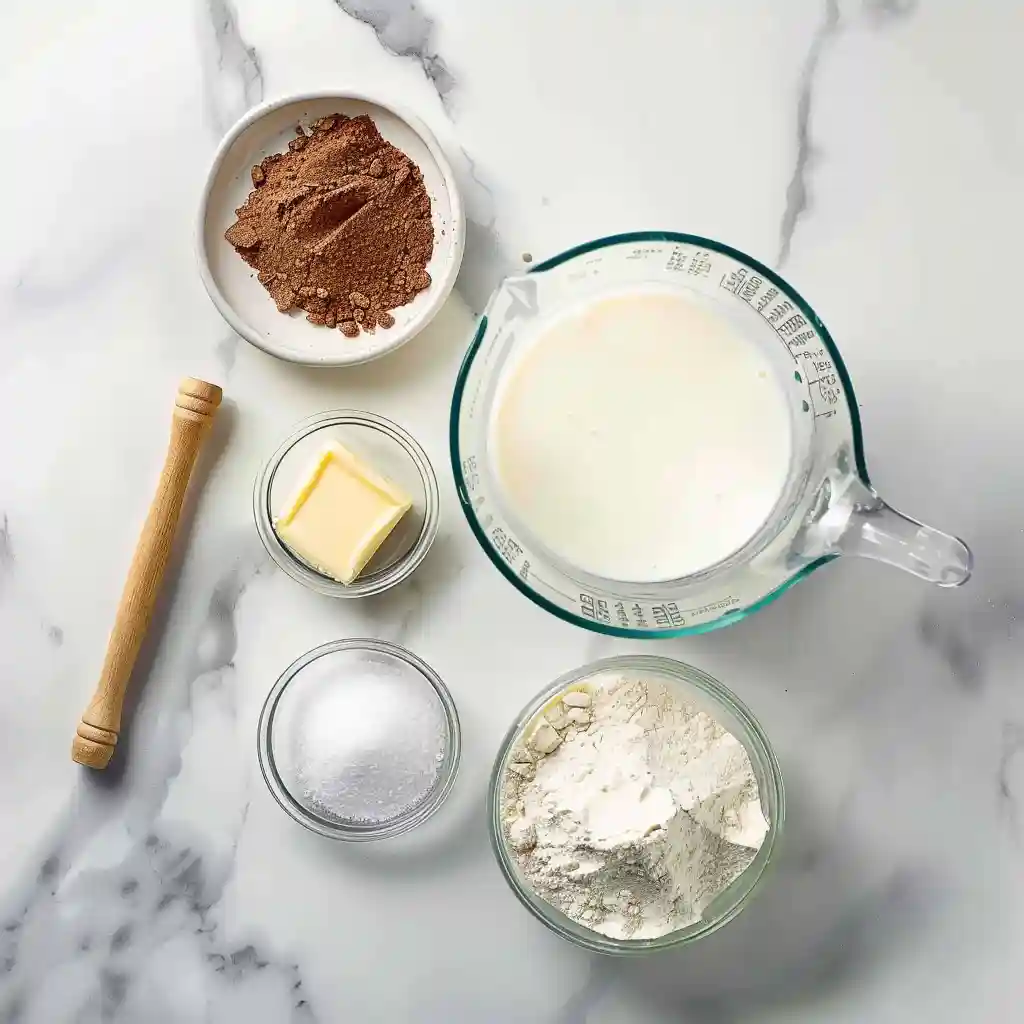
The milk choice matters too. Whole milk yields the most decadent results, coating the back of your spoon perfectly. However, you can use 2% if you want something lighter. The key is how these elements interact. If you get the ratios right, you unlock a world of culinary possibilities. It is the same principle I use when making the base for my One Pot Garlic Parmesan Chicken Pasta, where the starch and dairy combine to coat every noodle.
Why Temperature Matters
You might have heard conflicting advice about milk temperature. Some chefs swear by hot milk, while others use cold. In my experience, warm or room-temperature milk is the safest bet for beginners. Cold milk can shock the hot roux, causing the butter to seize up into hard little lumps.
If you pour in ice-cold milk all at once, you will likely spend the next ten minutes frantically whisking to smooth it out. Heating your milk in the microwave for just a minute can save you a lot of arm work. It helps the liquid incorporate smoothly into the fat, creating that silky texture we all crave. It’s a similar concept to managing heat when cooking delicate dishes like One Pan Chicken Bacon Gnocchi, where temperature control ensures the sauce stays emulsified and creamy.

Classic Creamy Béchamel Sauce (Lump-Free)
Ingredients
- 50 g 3.5 tbsp unsalted butter
- 50 g 1/4 cup all-purpose flour (plain flour)
- 500 ml 2 cups whole milk (ideally warm to prevent lumps)
- 1 pinch of freshly grated nutmeg
- Salt to taste
- White pepper to taste
Instructions
Prepare the Roux and Add the Flour:
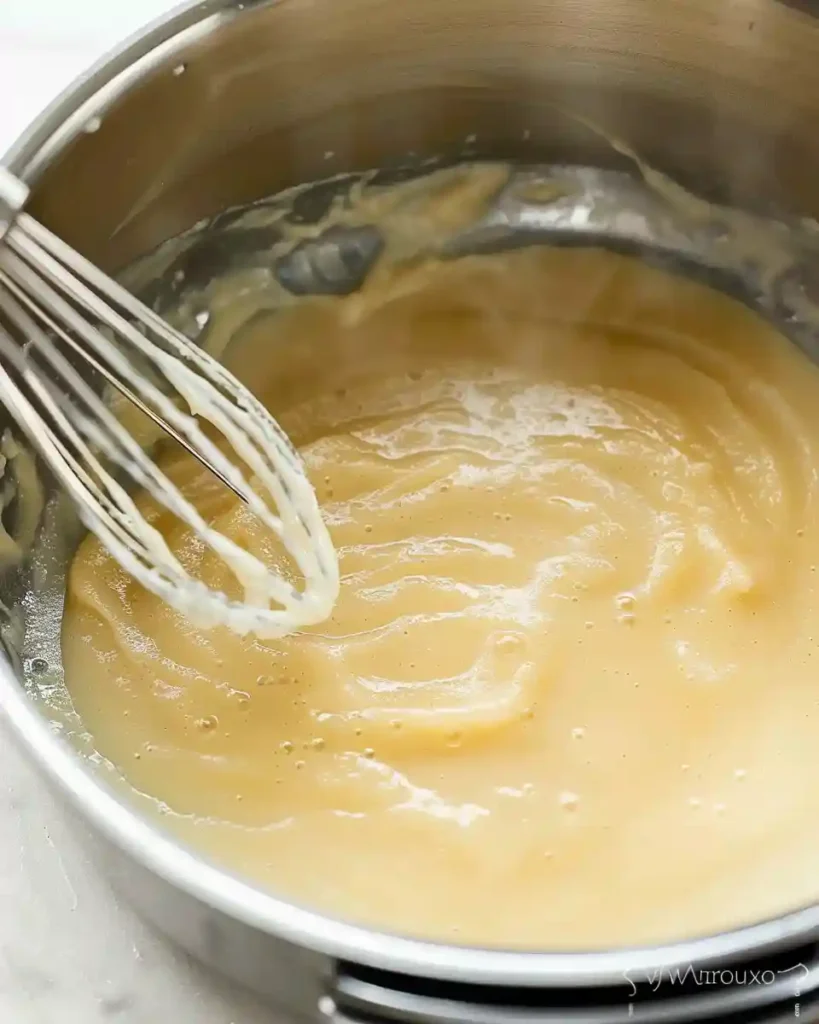
- In a heavy-bottomed saucepan, melt the butter over medium heat.Once the butter is melted and foamy, add the flour all at once. Whisk immediately and vigorously to obtain a smooth paste called Roux. Let it cook for 1 minute, stirring constantly, to cook the flour and remove the raw taste.

Incorporate the Milk and Cooking: :
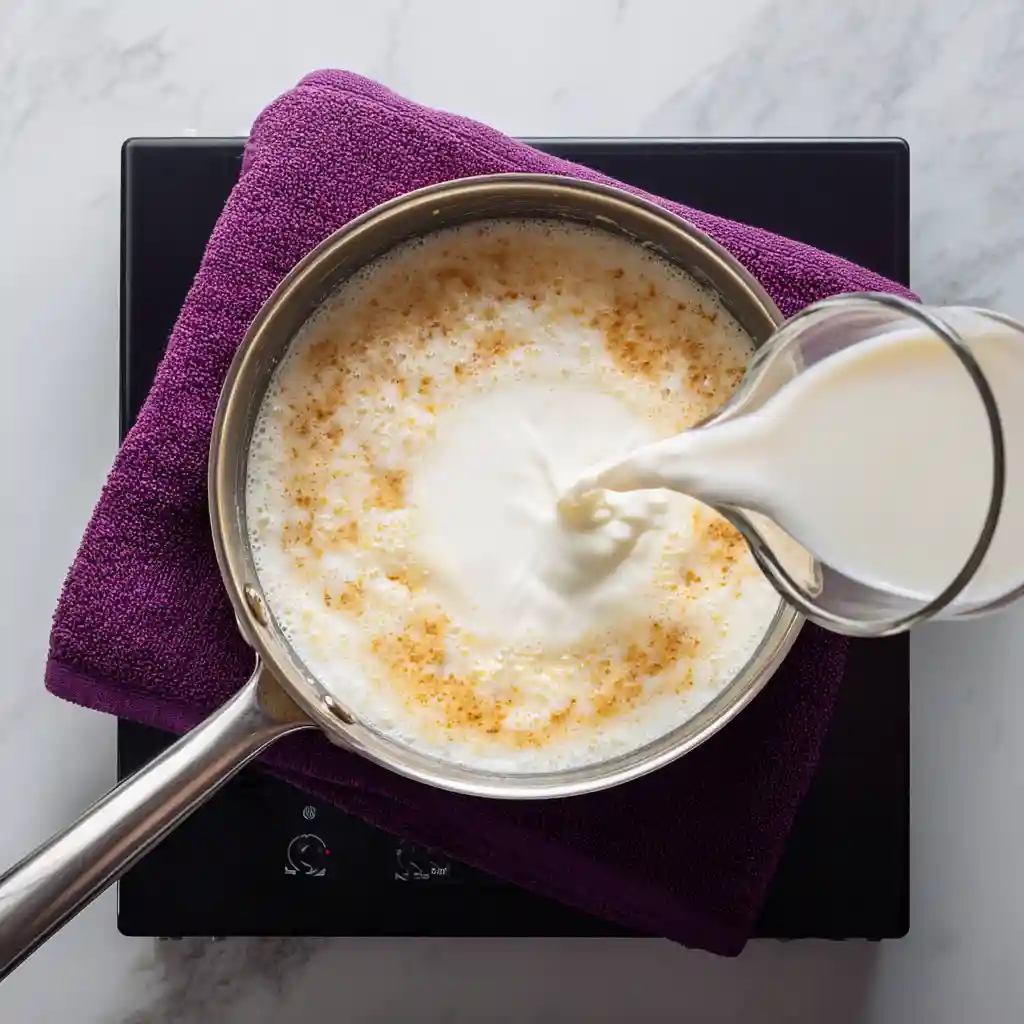
- Remove the saucepan from the heat. Pour half of the warm milk in quickly. Whisk vigorously without stopping until the texture is perfectly smooth.Return the saucepan to medium-low heat. Pour in the rest of the milk and continue to whisk slowly. Let it simmer and thicken for 5 to 7 minutes. The sauce is ready when it coats the back of a spoon.

Seasoning:
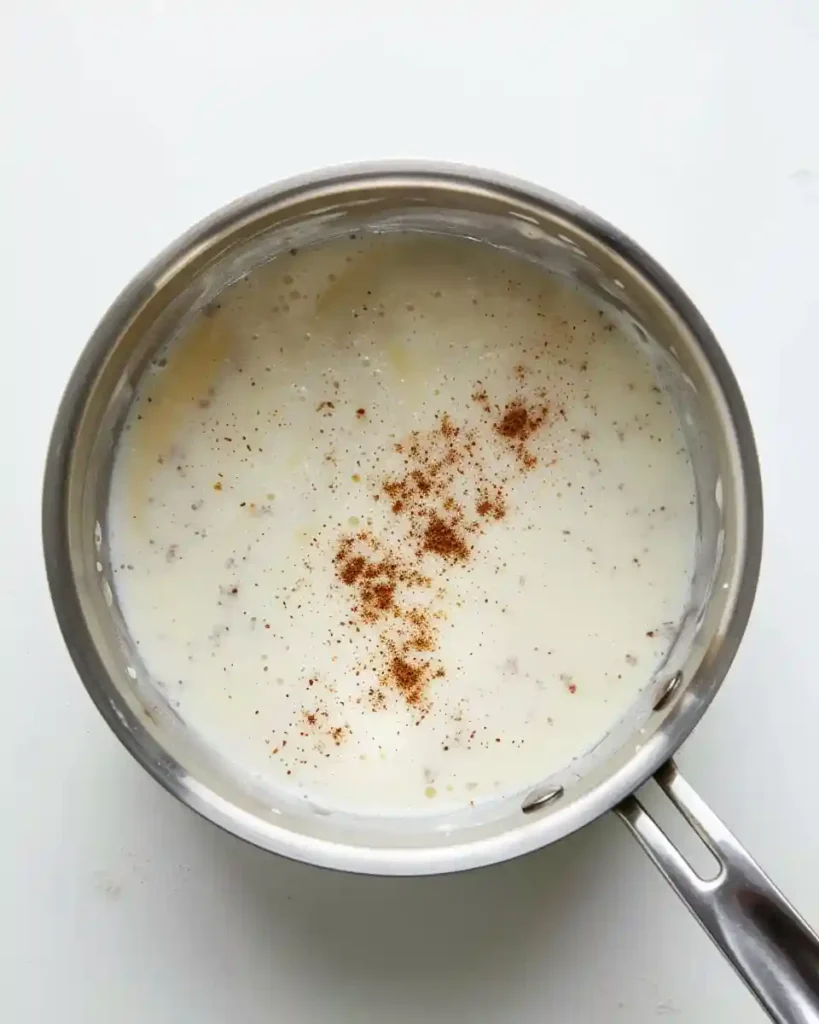
- Remove from heat. Season with salt, pepper, and add the pinch of nutmeg. Mix well and use immediately.
Notes
Mastering the Step-by-Step Technique
Now that we have our ingredients, let’s dive into the actual cooking process. This is where the magic happens.
Creating the Perfect Roux
Start by melting your butter over medium-low heat. You want it bubbly but not brown. Once melted, sprinkle in the flour. Don’t just dump it; scatter it to avoid initial clumping. Now, whisk. You need to cook this paste for about two minutes. This step is crucial. You are cooking out the raw flour taste.
If you rush this, your final sauce will taste like uncooked dough. The mixture will froth and bubble. It should smell faintly nutty, like a pie crust baking. You aren’t looking for color here, just a texture change. It is ready when it looks like wet sand. This white roux is the foundation. If you were making a gumbo, you would go darker, but for a classic white sauce, pale is perfect.
The Liquid Incorporation Method
This is the make-or-break moment. Grab your whisk. Pour in a splash of milk just a quarter cup to start. The mixture will instantly puff up and look like a thick, clumpy mess. Don’t panic. This is normal. Whisk vigorously to smooth it out.
Add another splash of milk and whisk again. By adding the liquid in stages, you ensure the roux absorbs the liquid evenly. As you add the last of the milk, the sauce will loosen up. Now, bring it to a gentle simmer. You need heat to activate the thickening power of the flour. Keep stirring, reaching the corners of the pot. You will see it transform from a thin liquid to a luscious, coating consistency. It adds a depth of flavor similar to the rich sauce in my One Pot Creamy Beef and Garlic Butter Pasta.
Troubleshooting Common Sauce Issues
Even experienced cooks run into trouble sometimes. Let’s fix those common mishaps so you can cook with confidence.
Banishing the Dreaded Lumps
Lumps are the enemy of a smooth sauce. They usually happen if you add milk too fast or stop whisking. If you look down and see a lumpy mess, don’t throw it out. You can save it. First, take the pan off the heat. Whisk like your life depends on it.
If the lumps are stubborn, pour the sauce through a fine-mesh sieve into a clean bowl. Use a spatula to push it through. No one needs to know. Another trick is to use an immersion blender right in the pot. A quick blitz will obliterate any flour clumps and aerate the sauce, making it extra light. It’s a handy trick I sometimes use when refining the texture of a homemade Pesto Sauce Recipe if the nuts are too chunky.
Adjusting Texture and Thickness
Sometimes the sauce is too thick, looking more like pudding than a pourable topping. This happens if the heat was too high or it simmered too long. The fix is easy. Whisk in a tablespoon of milk at a time until it loosens up.
On the flip side, if your sauce is too runny, you need patience. Let it simmer for a few more minutes. Remember that it thickens as it cools. If it coats the back of a spoon and holds a line when you run your finger through it, it is done. Don’t overthink it. Cooking is about feeling and adjusting, not just following a strict timer.
Elevating Your Sauce Game
A basic white sauce is a blank canvas. You can customize it to fit almost any dish you are dreaming of.
Seasoning for Maximum Flavor
A plain mixture of flour and milk can be bland. Salt is non-negotiable. Add it gradually and taste as you go. White pepper is traditional because it doesn’t show up as black specks, keeping the sauce pristine.
The secret ingredient, however, is nutmeg. Freshly grated nutmeg adds a warming, aromatic note that cuts through the richness of the dairy. You don’t need much just a pinch. Some chefs also steep an onion slice or a bay leaf in the milk before adding it. These subtle layers of flavor make the difference between a cafeteria sauce and a restaurant-quality one.
Turning It Into Mornay and More
The best part about this recipe is its versatility. Stir in a cup of grated Gruyère or sharp Cheddar, and you have a Mornay sauce. This is the gold standard for mac and cheese or cauliflower gratin.
You can also add mustard and garlic for a punchy kick to serve over chicken. Or, mix in some tomato paste for a creamy rose sauce. Once you have the base technique down, you can experiment. It serves as a fantastic starting point for experimenting with other dinner ideas, much like the versatile sauces found in our Dinner Recipes.
Frequently Asked Questions
What is a creamy béchamel sauce?
A creamy bechamel sauce is a classic French “mother sauce” made from a white roux (butter and flour) and milk. It is smooth, rich, and mild, serving as a base for many other sauces and dishes like lasagna and gratins.
How to make simple creamy bechamel sauce?
To make a simple creamy bechamel sauce, melt butter in a saucepan, stir in an equal amount of flour, and cook for a minute to remove the raw taste. Gradually whisk in milk until the mixture is smooth. Simmer gently until it thickens enough to coat the back of a spoon, then season with salt, pepper, and nutmeg.
What is the basic formula of creamy bechamel sauce?
The standard ratio is 1 part butter to 1 part flour by weight (or volume) to make the roux. For the liquid, use about 1 cup of milk for every tablespoon of butter and flour. For example: 2 tbsp butter + 2 tbsp flour + 2 cups milk.
What is the English name for creamy bechamel sauce?
In English-speaking countries, especially the UK and US, it is commonly referred to simply as “white sauce.”
Conclusion
Cooking shouldn’t be stressful. Mastering a creamy bechamel sauce opens up a huge variety of meals you can make at home. It allows you to ditch the processed cans and create something wholesome and delicious for your family. Whether you are layering it into a lasagna or pouring it over steamed vegetables, the effort is always worth it. So, grab your whisk, trust your instincts, and enjoy the process of creating something beautiful from scratch.