How to Hard Boil Eggs
Article By :
Kim
October 23, 2025
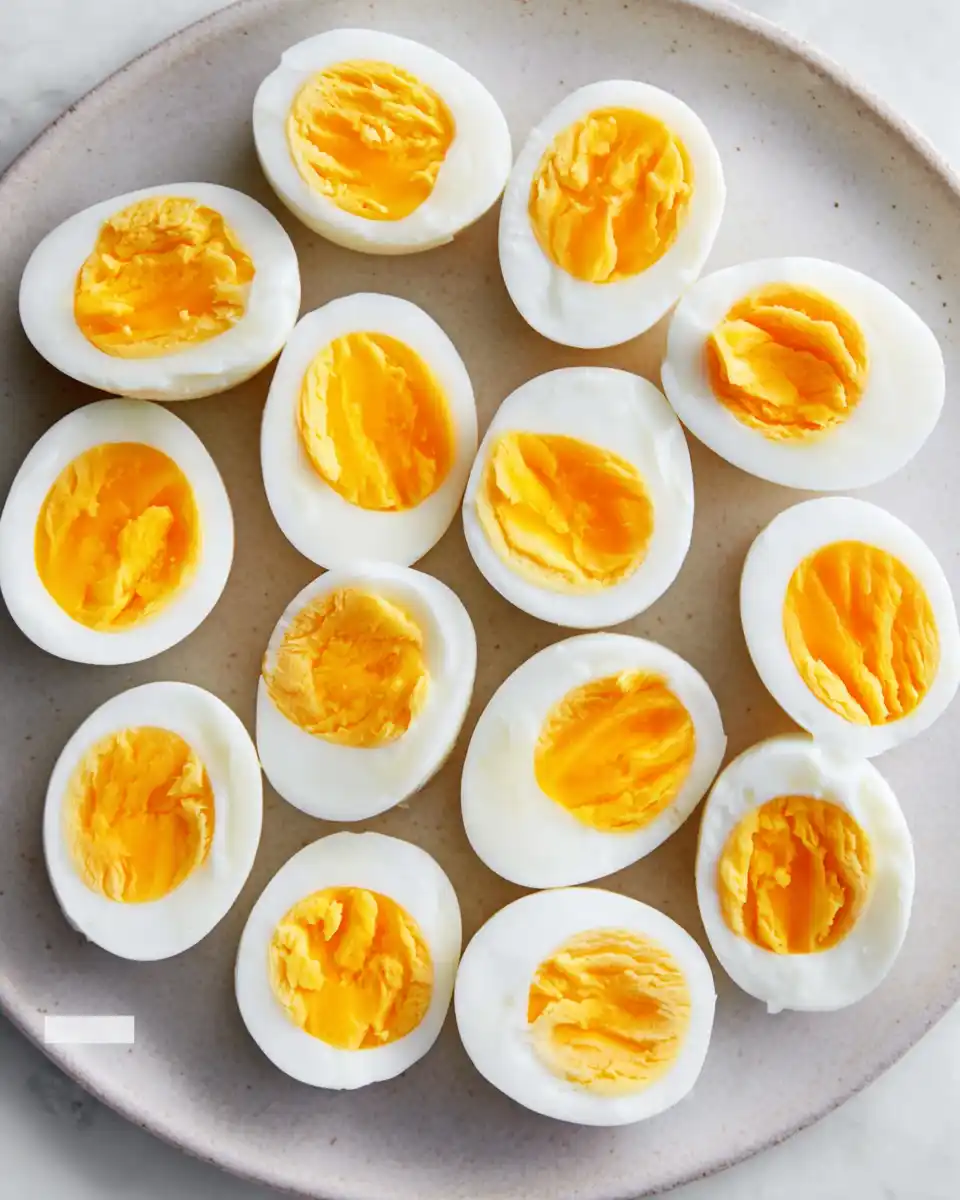
When I was a kid, Saturday mornings smelled faintly of coffee and something warm bubbling on the stove. My mom would drop a few eggs into a pot of simmering water, humming softly while we waited. Back then, I didn’t realize those perfectly hard-boiled eggs would become one of my favorite kitchen staples. Fast forward to today hard-boiled eggs aren’t just a breakfast classic; they’re a quick protein fix, a snack that fits into lunchboxes, and a lifesaver for meal prep.
If you’ve ever peeled an egg only to find that greenish ring around the yolk or, worse, a gooey center, don’t worry this easy Hard Boil Eggs recipe will change that. With just a few simple steps and timing tricks, you’ll master the art of cooking eggs that peel easily and have tender whites with golden yolks every time.
Table of Contents
View All
Why You’ll Love This Hard Boil Eggs Recipe
Flavor & Texture Highlights
The beauty of a hard boiled egg lies in its simplicity. The whites turn firm yet tender, the yolk creamy but not chalky. When cooked properly, the flavor is rich and slightly buttery ideal for slicing onto toast, tossing into salads, or seasoning with a pinch of salt and pepper for a satisfying snack.
A perfectly boiled egg is also the foundation of other crowd-pleasers like deviled eggs or classic Cobb salad. If you’re planning a simple brunch, pairing these eggs with something hearty like this Quick Roasted Garlic Bread or a colorful Quick Autumn Harvest Salad creates a balanced, easy meal that tastes restaurant-worthy.
When to Make It
This recipe fits every situation from hectic weekday mornings to relaxed weekend brunches. Make a batch on Sunday night, and you’ve got breakfasts or snacks ready for the whole week. They’re also perfect for picnics, road trips, or lunchboxes since they travel well and don’t need reheating.
If you love planning ahead, hard-boiled eggs are a smart addition to any meal prep routine. Slice them into your grain bowls, mash them for egg salad sandwiches, or top your favorite veggie sides like Quick Crispy Parmesan Carrots for extra protein.
And let’s not forget boiling eggs is one of those kitchen skills that feels strangely rewarding. There’s something satisfying about watching a humble pot of water transform simple eggs into a protein powerhouse that works for breakfast, lunch, and dinner.
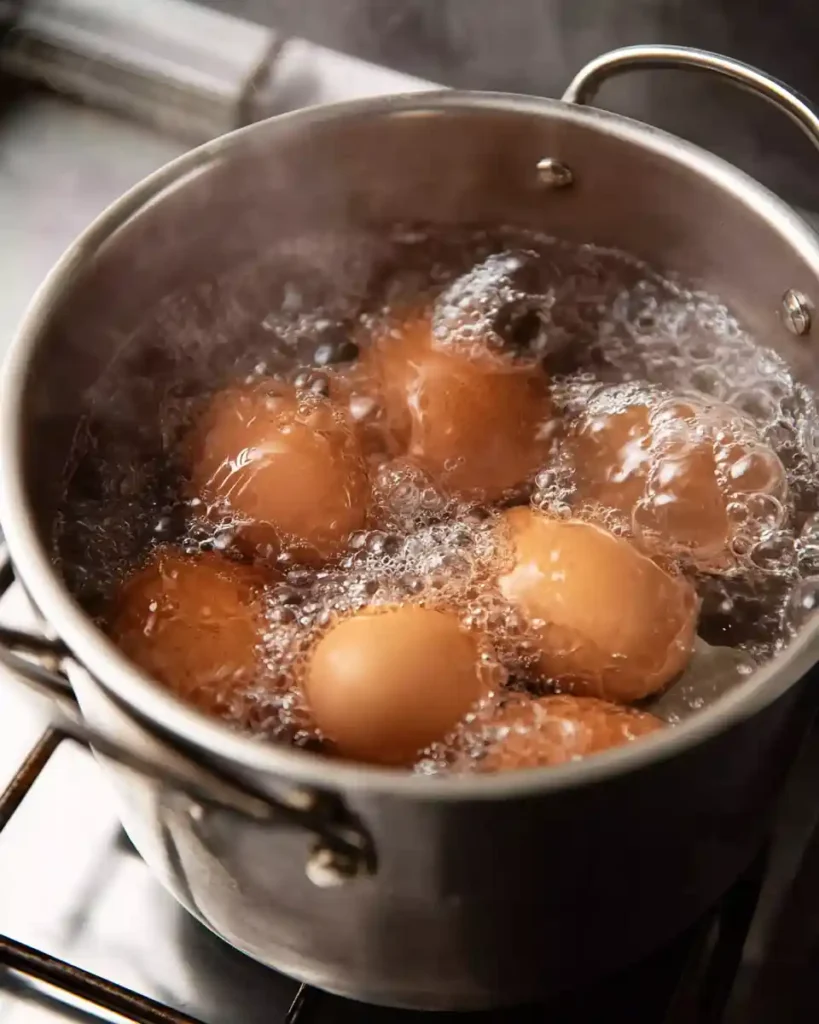
How to Make Hard Boil Eggs
Key Ingredients & Substitutions
The magic of this Hard Boil Eggs recipe lies in its simplicity. You’ll only need a few basic ingredients no fancy gadgets required.
Ingredients:
- Large eggs – Fresh, refrigerated eggs work best. Older eggs (7–10 days old) actually peel more easily due to reduced moisture inside the shell.
- Water – Enough to cover the eggs by at least one inch in the pot.
- Salt (optional) – A small pinch helps prevent cracking and can slightly season the shell, making peeling easier.
- Ice – For an ice bath to stop cooking instantly and prevent overdone yolks.
Optional Add-ins:
- A splash of white vinegar (1 tsp per quart of water) can help the shells stay intact.
- For a little flavor twist, you can sprinkle sea salt or smoked paprika on top once peeled.
If you’re serving them as part of a bigger spread, these Hard Boil Eggs pair beautifully with sides like Quick Side Dish Carrot Ribbon Salad or a cozy One-Pan Chicken with Buttered Noodles dinner.
Step-by-Step Instructions
Step 1: Prepare the Pot
Place the eggs in a single layer at the bottom of a medium saucepan. Fill the pot with enough cold water to cover the eggs by about an inch. Starting with cold water helps prevent the shells from cracking as they heat gradually.
Step 2: Bring to a Gentle Boil
Set the pot over medium-high heat and bring it to a gentle boil. As soon as the water starts bubbling steadily, reduce the heat slightly so it doesn’t turn into a roaring boil this helps keep the eggs from bouncing around and cracking.
Step 3: Time It Right
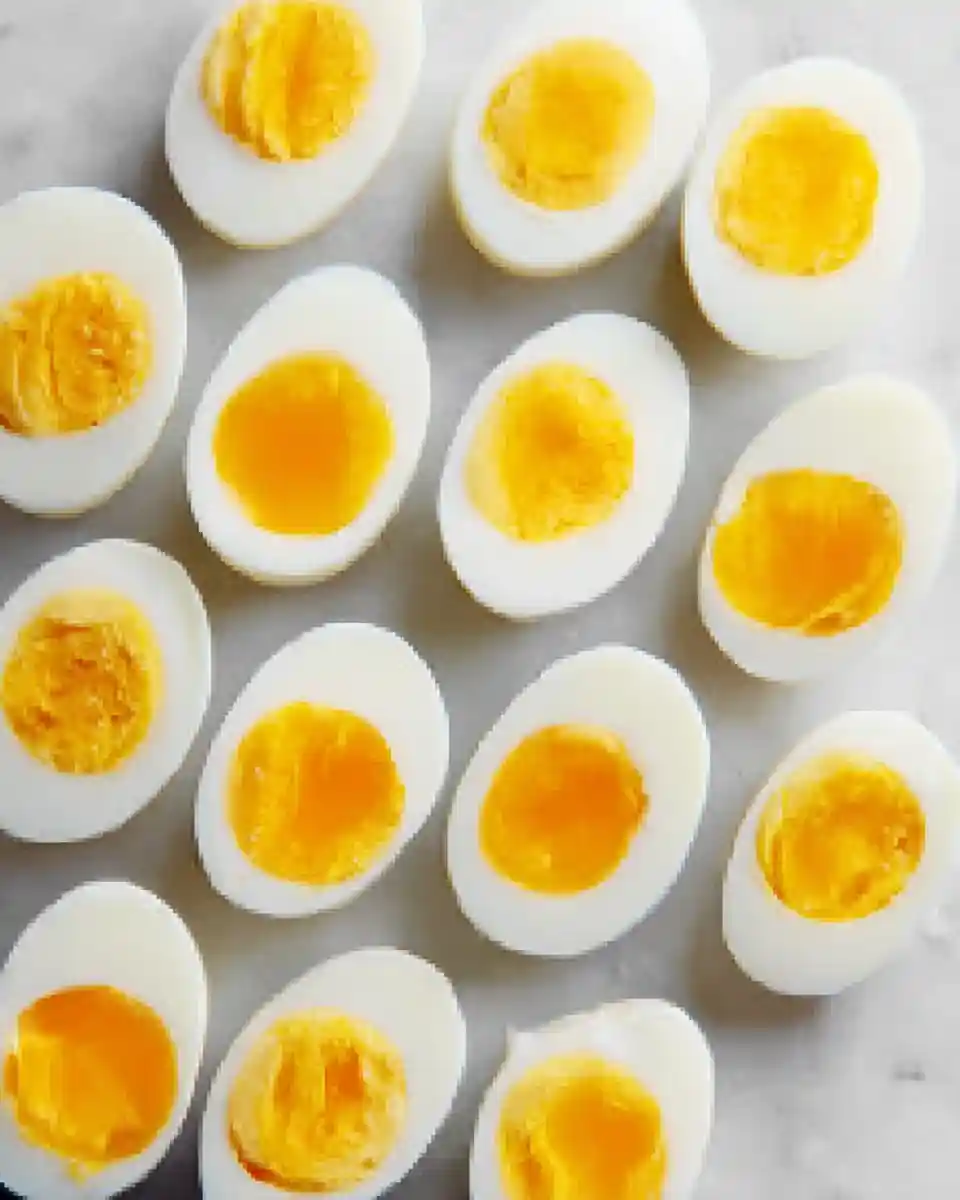
Once boiling, set a timer. Here’s the foolproof timing guide:
- Soft-boiled (jammy yolk): 6–7 minutes
- Medium-boiled (slightly creamy center): 8–9 minutes
- Hard-boiled (fully set yolk): 10–12 minutes
For the classic hard boiled eggs, 11 minutes is the sweet spot firm but not chalky.
Step 4: Cool Them Fast
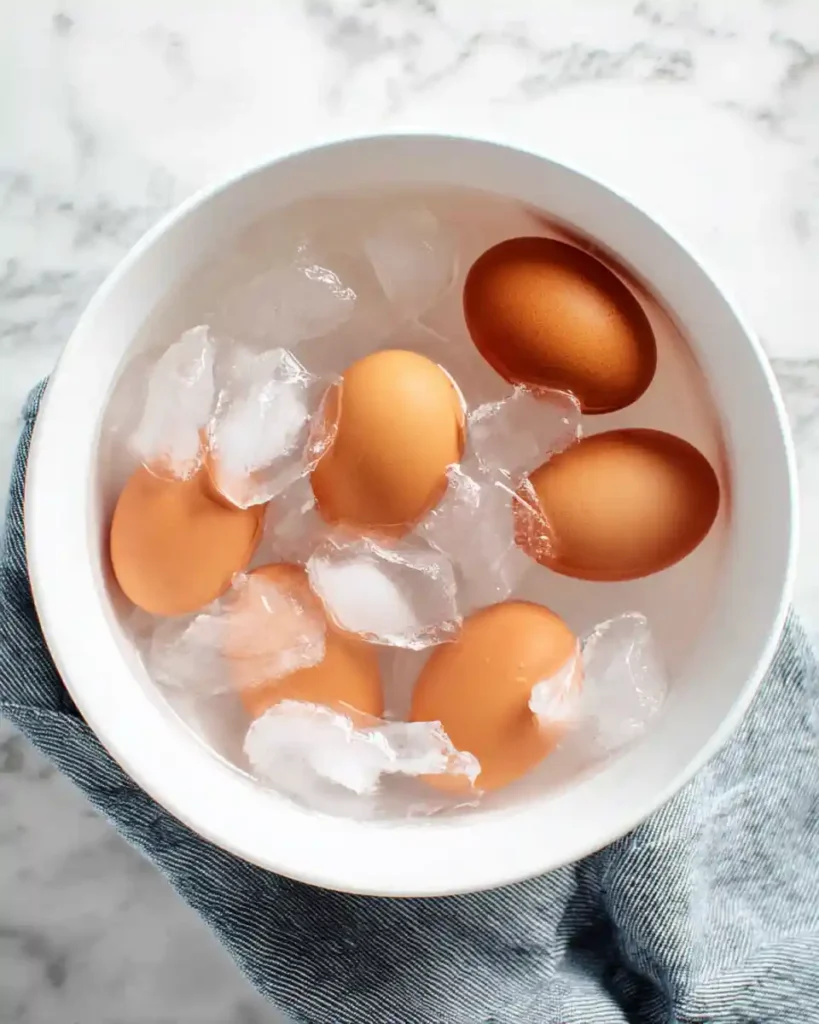
Immediately transfer the Hard Boil Eggs to a bowl of ice water using tongs or a slotted spoon. Let them chill for at least 10 minutes. This stops the cooking process, makes the yolks perfectly yellow, and helps the shells release easily.
Step 5: Peel Like a Pro
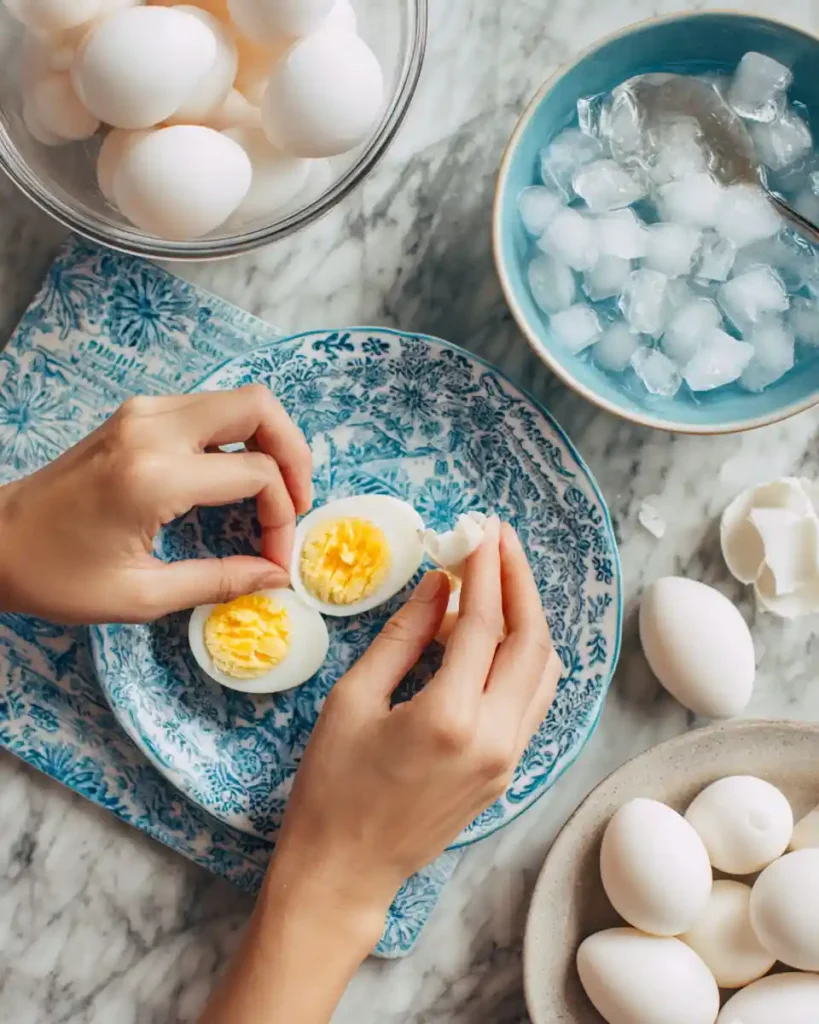
Gently tap the egg on the counter, roll it to crack the shell, then peel under running water for extra ease. If you’re storing them for later, keep them unpeeled in an airtight container in the fridge for up to one week.
Pro Tip: Want to make a big batch? You can easily double or triple this recipe just make sure your pot isn’t overcrowded so heat circulates evenly.
And once your Hard Boil Eggs are ready, you can turn them into egg salad, slice them on avocado toast, or serve them alongside a fresh One-Pot Orzo Risotto with Spring Veggies for a wholesome meal.
How to Make Hard Boiled Eggs
Ingredients
- Large eggs fridge cold (55g/2oz each, see Note 2)
Instructions
Water level 3cm/1"
- Fill the saucepan with enough water so it will cover the eggs by 3cm / 1" or more.
Boil first then add eggs
- Bring to a rapid boil over high heat. Using a slotted spoon, gently lower fridge-cold eggs into the water.
Lower heat
- Reduce the heat slightly to medium-high – water should still be bubbling but not so much the eggs are being bashed around so roughly they crack (see Note 3).
Start the timer once all the eggs are in.
- Dippy soldiers: 3 minutes (can’t peel)Runny yolks: 6 minutesSoft boiled: 8 minutesHard boiled: 10 minutes
Cool 10 minutes
- Remove eggs using a slotted spoon into a large bowl or sink filled with plenty of cold tap water to cool the eggs (Ice – see Note 4). Cool 10 minutes.
Peel from base in water
- Crack the base of the shell by tapping it on the counter, then peel under water from the base (it’s easier).
Storing
- Hard-boiled eggs can be stored in the fridge for up to 7 days (peeled or unpeeled). Freezing not recommended (whites go weird).
Notes
(More eggs = larger pot.) 2. Egg size – Times are for large eggs (55g/2oz) in the shell. Extra-large (60g/2.2oz): +30 seconds Jumbo (65g/2.5oz): +1 minute 3. Egg cracking – Lower heat as needed to prevent eggs from cracking, but the goal is a gentle boil / rapid simmer. If the water is still, there isn’t enough heat and your eggs aren’t cooking fast enough. Still getting cracks? Thin shells can be the issue (common with some free-range eggs) and hairline fractures can be invisible. 4. Ice water – No need to use up ice; cold tap water works. If you have plenty of ice, feel free to add it to speed chilling. Use enough water to cool the eggs completely.
Tips, Variations, Serving & Storing
Helpful Tips & Shortcuts
- Start with Cold Water:
Always begin with cold water to prevent shells from cracking due to sudden temperature changes. Gradual heating also helps cook the eggs evenly. - Use Older Eggs for Easier Peeling:
Farm-fresh eggs are delicious but tricky to peel. Eggs that are 7–10 days old work best for smooth peeling. If you have very fresh eggs, add a teaspoon of vinegar to the water it slightly softens the shell’s membrane. - The Ice Bath Trick:
Never skip the ice bath. Cooling the eggs instantly stops cooking and prevents that dreaded gray-green yolk ring. A 10-minute chill in icy water works perfectly.
- Steam Instead of Boil (Optional Shortcut):
If you prefer, place eggs in a steamer basket over boiling water, cover, and steam for 12 minutes. This method helps prevent cracking and often makes peeling easier. - Mark Your Eggs:
When batch cooking, mark shells with a pencil so you can tell hard-boiled from raw eggs in your fridge. - No Ice? No Problem:
Drain the hot water and rinse eggs under very cold tap water for several minutes. It’s not as quick as an ice bath but still gets the job done.
Variations to Try
- Soft-Boiled Eggs: Boil for 6–7 minutes for that jammy center amazing over toast or ramen.
- Medium-Boiled: Go for 8–9 minutes to get a creamy, custard-like yolk perfect for salads.
- Spiced Hard-Boiled Eggs: Sprinkle paprika, chili flakes, or everything bagel seasoning for a tasty twist.
- Pickled Eggs: After boiling, soak peeled eggs in a brine of vinegar, water, and beet juice for a pretty pink hue and tangy flavor.
- Deviled Eggs: Mash yolks with mayo, mustard, and a dash of hot sauce for a crowd-favorite appetizer.
You can also slice them over sides like Quick Side Dish Roast Potatoes or serve them with a crisp salad for balance.
Serving & Storage
Serving Ideas:
- Slice over toast or bagels for a protein-packed breakfast.
- Toss into leafy greens for extra texture.
- Chop into grain bowls for a quick energy boost.
- Pair with roasted veggies like Quick Crispy Parmesan Carrots for a colorful side.
Storage Tips:
- Unpeeled eggs: Store in the fridge up to 7 days in a covered container.
- Peeled eggs: Keep in a bowl of cold water (change water daily) or in a sealed container lined with damp paper towels.
- Freezing: Not recommended whites become rubbery after thawing.
Make-Ahead Tip:
Boil a dozen eggs on Sunday. Use half for weekday breakfasts and the rest for lunches or quick snacks. They’re portable, healthy, and always ready when hunger hits.
Frequently Asked Questions
How long should I let eggs boil for hard-boiled eggs?
For classic Hard Boil Eggs, let them boil for 10 to 12 minutes once the water reaches a gentle boil. That timing ensures fully set yolks without being dry or chalky. If you prefer softer centers, go for 8–9 minutes instead. After boiling, place the eggs immediately into an ice bath to stop cooking and make peeling easier.
What is the 5-5-5 rule for eggs?
The 5-5-5 rule comes from the Instant Pot method:
5 minutes pressure cooking
5 minutes natural release
5 minutes ice bath
This quick approach produces perfectly cooked Hard Boil Eggs with tender whites and creamy yolks no gray rings or rubbery texture.
What’s the trick to perfect Hard Boil Eggs?
The secret is control and cooling. Start with cold water, bring to a gentle boil (not rapid), and time the cooking precisely about 11 minutes for firm yolks. Then, immediately transfer the eggs to an ice bath for at least 10 minutes. This locks in color, texture, and peelability. Older eggs also peel better than very fresh ones.
Is 10 minutes too long to boil an egg?
Not at all! 10 minutes is ideal for a firm, bright-yellow yolk. Anything beyond 12 minutes may result in a greenish ring from overcooking (still safe to eat, just less appealing). If you like your yolks creamy but set, stick to the 9–10 minute range.
Conclusion
There’s something satisfying about mastering the basics and few things are more classic than a perfectly hard boiled egg. Whether you’re meal prepping for the week, building a salad, or just need a snack that’s nutritious and easy, this method guarantees consistency every time.
You’ll love how simple Hard Boil Eggs is: no guesswork, no special tools just pure, everyday kitchen magic. Once you try this foolproof timing, you’ll never second-guess how long to boil an egg again.
Ready to get cooking? Try pairing your freshly made eggs with sides like Quick Roasted Garlic Bread or a vibrant Quick Autumn Harvest Salad for a complete, satisfying meal.
If you enjoyed this recipe, share it with a friend or drop a comment to tell us your favorite way to use Hard Boil Eggs !
For more recipes follow me in pinterset and visit my channel youtube